

How to Read a Home Inspection Report
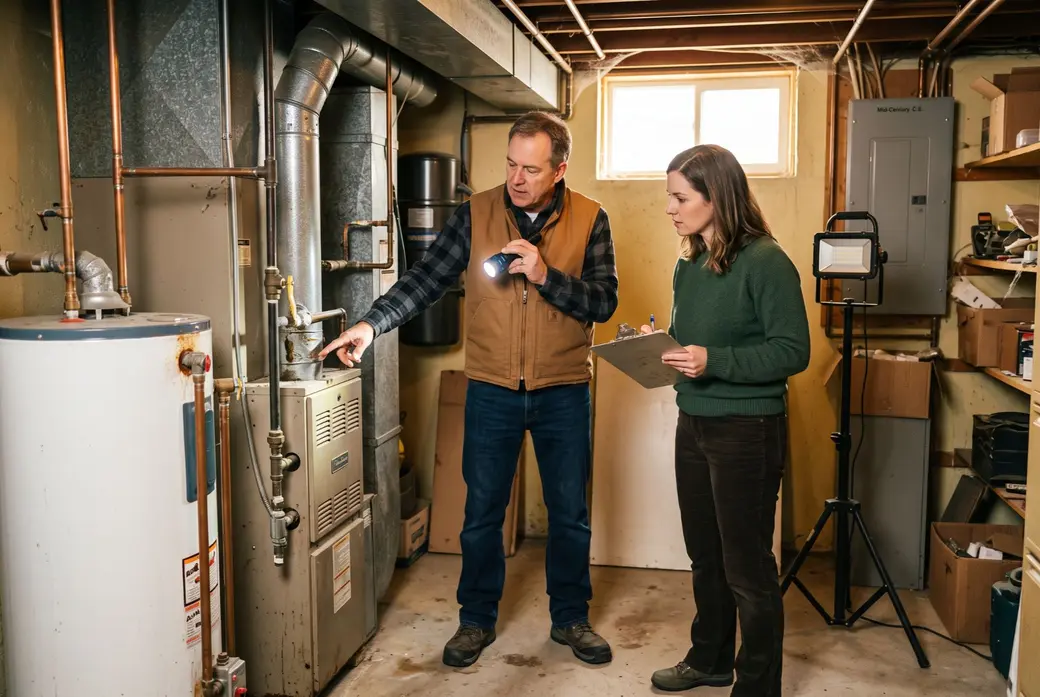
How to Read a Home Inspection Report: A Calgary Buyer's Guide
Your Calgary home inspection report just landed in your inbox, twenty-plus pages of photos, checkboxes, and technical language, while your subject-removal deadline keeps ticking. Here is the direct answer: the fastest way to read it is to sort every finding into one of three buckets, safety and major-system issues that need a specialist's opinion before you proceed, minor and cosmetic items that almost never justify walking away, and routine maintenance reminders that come with owning any home, then decide what is genuinely negotiable from there.
This guide walks through who is qualified to inspect a home in Alberta, what a standard inspection actually covers and does not cover, how much a Calgary inspection typically costs, when to add a specialist inspection like a WETT or sewer scope, and how to use the findings to negotiate, request repairs, or decide a deal is not worth the risk. Licensing rules and standard practices do not change often, so we plan to revisit this guide periodically to keep it current.
Key Takeaways
- Home inspectors in Alberta must be licensed. Since September 1, 2011, Alberta's Home Inspection Business Regulation has required inspectors and their businesses to hold a valid license, carry errors and omissions insurance, and meet approved training standards.
- A standard inspection is visual and non-invasive. It covers the roof, exterior, structure, electrical, plumbing, heating and cooling, insulation, and interior components the inspector can see and safely access, not what is hidden behind finished walls.
- Findings generally sort into three groups. Safety and major-system issues, minor and cosmetic items, and routine maintenance reminders, and only the first group typically changes how you negotiate.
- A typical Calgary home inspection costs $300 to $700, with condos on the lower end and larger detached homes running higher, before any add-on services.
- Some things need a separate specialist inspection. A standard inspection does not include a WETT inspection for wood-burning appliances, a sewer scope for the underground drain line, mold or pest assessment, or radon testing.
1. Who Is Allowed to Inspect a Home in Calgary, and What Do They Actually Look At?
In Alberta, home inspection is a regulated activity, not an informal side service. Service Alberta administers home inspector licensing under the province's consumer protection rules, and every inspector working for pay must hold a current license backed by approved education, a criminal record check, and errors and omissions insurance. Many Calgary inspectors also carry the Registered Home Inspector (RHI) designation through the Canadian Association of Home and Property Inspectors (CAHPI), which is a useful credential to ask about when you are choosing who to hire, since CAHPI's national certificate holders already meet the qualification bar Service Alberta requires.
What the inspector actually examines follows an industry standard of practice, most commonly the framework published by InterNACHI's Standards of Practice. In plain terms, a standard inspection is a visual, non-invasive review of the roof covering and flashing, exterior cladding and grading, foundation and visible structure, heating and cooling systems, plumbing and water heating, the electrical service and panel, attic insulation and ventilation, and interior doors, windows, floors, and stairs. The inspector is not dismantling anything, moving furniture or storage, or operating systems that have been shut down for the season. That distinction matters once you start reading the report, because a finding phrased as "unable to verify" or "not tested" is not the same as a defect, it usually means the inspector could not safely or non-invasively confirm that item on inspection day.
2. How Do You Actually Work Through the Report?
Most Calgary inspection reports follow a similar shape: a summary or highlights page up front, then a long, systematic walk through every component of the home with photos. Reading it start to finish in order is how most first-time buyers get overwhelmed, since a report intentionally documents everything observed, not just the things that matter for your decision. A faster, more useful approach is to work it in a specific order.
- Start with the summary or highlights page, most inspection software generates one, and it is usually where safety items and major concerns are flagged first.
- Read every photo caption in the body of the report, not just the summary, since some inspectors only put a finding's full context in the detailed section.
- Sort each finding into one of three buckets as you go: safety or major system, minor or cosmetic, or routine maintenance.
- For anything in the major bucket, note whether the inspector recommended a specialist follow-up, and get a written quote from that trade before your inspection condition deadline.
- Write down your short list of items you actually intend to raise with the seller before you talk to your REALTOR about next steps, rather than trying to negotiate every line item in the report.
3. How Should You Categorize the Findings in Your Report?
Not every line item in a Calgary home inspection report carries the same weight, and treating a loose cabinet hinge the same as an aging furnace is how buyers either panic over nothing or miss the thing that actually matters. Most findings fall into one of four practical groups.
Safety and Major Issues
- Active water intrusion or visible mold
- Double-tapped breakers or exposed wiring
- Blocked or missing furnace and dryer venting
- Structural movement or significant foundation cracking
- Aluminum wiring or knob-and-tube wiring still in service
Systems Nearing End of Life
- Furnace or hot water tank near or past typical service life
- Roof shingles showing significant granule loss or wear
- Older electrical panel types with known recall or reliability history
- Original polybutylene or galvanized plumbing
Minor and Cosmetic Items
- Paint touch-ups or worn caulking
- A loose door handle or sticking window
- Minor drywall cracks from normal settling
- Cosmetic wear on flooring or countertops
Ongoing Maintenance Reminders
- Furnace filter and annual servicing reminders
- Gutter cleaning and downspout extensions
- Resealing exterior caulking
- Testing a sump pump seasonally
Why the Report Lists So Much
A home inspection report is written to be comprehensive, not alarming. The InterNACHI Standards of Practice direct inspectors to describe material defects and systems in the condition observed, which means a long report is often a thorough one, not a home in bad shape. A twenty-page report on a well-maintained home and a twenty-page report on a home with real problems can look similarly long at first glance, the difference is in which bucket the individual findings land in, not the page count.
4. What Does a Standard Inspection Not Cover?
A home inspection is deliberately limited in scope, and knowing the boundary matters as much as reading what is inside it. A standard inspection does not test for mold, does not include pest or wildlife assessment, does not check for asbestos or lead paint, does not confirm building code compliance, and does not operate systems that are shut down, winterized, or otherwise inaccessible. It also cannot see behind finished walls, under flooring, or inside a chimney flue without a separate scope tool.
That gap is exactly where the concept of a material latent defect matters. According to the Real Estate Council of Alberta (RECA), a material latent defect is a physical issue that makes a property unsafe or unfit for its purpose, would be expensive to fix, and cannot be discovered through a routine inspection. Alberta sellers have a legal obligation to disclose a material latent defect they know about, even though a home inspector may never physically see it. This is also why radon deserves separate mention: it is not part of a standard inspection at all. RECA notes that reliable radon testing requires a long-term test of at least ninety days, since short-term tests of a few days or weeks are not considered accurate, and Health Canada does not recommend them for a purchase decision.
5. How Much Does a Home Inspection Cost in Calgary?
Pricing scales with the size and type of home. According to a 2026 HomeStars Calgary cost guide, most standard inspections in the city fall between $300 and $700, with larger or more complex properties sometimes running higher.
| Property Type | Typical Cost Range |
|---|---|
| Condo or Apartment | $340 to $525 |
| Townhome or Duplex | $450 to $625 |
| Detached Home (under 2,000 sq ft) | $375 to $575 |
| Larger or More Complex Homes | $700 and up |
Add-on services are priced separately from the standard inspection, and most buyers spend less on any single add-on than they do on the base inspection itself. The chart below shows how a typical Calgary standard inspection compares to three of the most common add-on services.
6. Which Specialist Inspections Should You Add for an Older Calgary Home?
Standard inspections are a good general-condition check, but a handful of specific risks in Calgary's housing stock are common enough to warrant a dedicated, separate inspection rather than relying on the general one.
| Specialist Inspection | Why It Matters in Calgary | Typical Cost |
|---|---|---|
| WETT Inspection | Required by many insurers before they will underwrite a policy on a home with a wood stove, masonry fireplace, or factory-built fireplace, assessed against national standards published by WETT Inc. | Around $350 plus GST, per a Calgary WETT inspection provider |
| Sewer Scope | Calgary's freeze-thaw cycles and mature tree roots are common causes of underground drain line damage in older homes, and a standard inspection does not include a camera scan of the line, per local guidance on sewer scopes in older Calgary homes | Roughly $285 to $360 |
| Radon Test | Not part of a standard inspection, and reliable results require a long-term test rather than a quick check, per RECA's guidance on radon testing | Roughly $50 to $600 depending on test type |
| Thermal Imaging | Useful for spotting hidden moisture intrusion or missing insulation that a visual inspection alone can miss | Roughly $275 to $300 |
7. What Is Negotiable, and What Is a Deal-Breaker?
An inspection report is a decision tool, not a pass or fail grade on the home. Most findings do not change whether you should buy the home, they change what you ask for before you do.
Typically Negotiable
- A furnace or hot water tank near the end of its service life
- Roofing that is worn but not actively leaking
- Minor electrical fixes, such as missing GFCI outlets
- Grading or drainage issues away from the foundation
- Deferred maintenance items with a clear, quotable fix
Potential Deal-Breakers
- Active structural movement or foundation failure
- Confirmed mold behind walls or in the HVAC system
- Major, unpermitted structural alterations
- A sewer scope showing a collapsed or heavily damaged line
- Safety hazards the seller is unwilling to address or credit
A Worked Example
A buyer's inspection on a 1980s Calgary bungalow turns up a furnace at 22 years old, a roof with moderate wear but no active leaks, a few minor drywall cracks from settling, and an outdated electrical panel that the inspector recommends a licensed electrician evaluate further. None of these findings are safety emergencies today, but the furnace and the panel are both realistic near-term costs.
The buyer gets a written quote for the furnace and an electrician's evaluation of the panel, then requests a repair credit covering both rather than asking the seller to fix every minor cosmetic item on the list, which keeps the negotiation focused on genuine cost items instead of nickel-and-diming a deal that is otherwise sound.
8. What Happens After You Review the Report?
In a typical Alberta purchase contract, the home inspection condition gives you a defined window, not an open-ended right to change your mind. Once your inspector delivers the report, you generally have three options before your condition deadline: proceed with the purchase as-is, request a price reduction or repair credit through a written amendment the seller must also agree to, or exercise the condition and walk away with your deposit returned. According to the Real Estate Council of Alberta's guidance on condition deadlines, if the deadline passes without the condition being satisfied or waived in writing, the contract becomes null and void, so verbal agreements about repairs do not protect either side, and any amendment needs to be signed before the deadline, not after.
Before you decide, it is worth getting an actual quote from a licensed trade for anything in the major bucket rather than guessing at repair costs yourself, since a home inspector's report identifies issues but typically does not price them out. Once you have real numbers, your REALTOR can help you decide whether to negotiate, walk away, or proceed, and can put any agreed changes into a proper written amendment before your deadline passes.
Frequently Asked Questions
How long does a home inspection take in Calgary?
Most standard home inspections in Calgary take two to four hours, depending on the size and age of the home. Larger properties, older homes, and homes with more mechanical systems to check tend toward the longer end of that range.
Can I attend my own home inspection?
Yes, and it is generally worth doing. Walking through with the inspector lets you see issues firsthand, ask questions about severity in real time, and get a better sense of which findings are urgent versus routine before you ever open the written report.
What is a WETT inspection and do I need one?
A WETT inspection is a specialized assessment of a wood-burning appliance against national installation and clearance standards. Many Calgary insurers require a current WETT certificate before underwriting a policy on a home with a wood stove or fireplace, so budget for this separately if the home has one.
Is a sewer scope inspection worth it for an older Calgary home?
For homes built before the 1970s or homes with mature trees near the sewer line, yes. A standard home inspection does not include a camera scan of the underground line, and freeze-thaw cycles combined with root intrusion are common causes of costly failures in older clay or cast iron pipe.
Do I have to get a home inspection when buying a home in Alberta?
No, a home inspection is not legally required, but including an inspection condition in your purchase contract is standard practice and strongly recommended. Without it, you have no contractual opportunity to renegotiate or walk away based on the home's physical condition.
What happens if the inspection reveals a major problem?
You generally have three options within your condition deadline: proceed as-is, request a price reduction or repair credit through a written amendment, or exercise the condition and walk away with your deposit returned. Which option makes sense depends on severity, repair cost, and how firm the rest of the deal is.
More Calgary Buyer Guides
Working through other parts of the buying process as well? These guides may help.
Reviewing an Inspection Report Right Now?
If you are trying to decide what is worth negotiating and what is worth walking away from, Viren can help you read the report in context and put a written request together before your deadline.
Published: September 4, 2026.
Categories
- All Blogs (56)
- About Calgary (2)
- City Services & Programs (1)
- Downsizing (1)
- Downtown Calgary (2)
- Families with Kids (15)
- Family Adventure Guides (2)
- First Time Home Buyers (14)
- Market Watch (3)
- Mortgages (4)
- Neighbourhood Spotlights (8)
- New to Calgary (12)
- NW Calgary (8)
- Parent Life & Family Wellness (1)
- Renovations & Repairs (2)
- Schools & Education Boards (6)
- Seasonal Family Activities (1)
- SW Calgary (2)
- Weekend Activity Guides (4)
- When Buying (18)
- When Refinancing (2)
- When Selling (12)
Recent Posts